Quality, taste and sustainability
The road to a better environment runs across your plate
Did you know that your choice of fish can help protect the Baltic Sea?
Eutrophication
The Baltic Sea's carp fish are tasty and healthy. And there are plenty of them.
Eutrophication is one of the Baltic Sea's biggest problems. Levels of the nutrients phosphorus and nitrogen have risen, causing algal blooms and changing the sea's entire ecosystem. The carp fish bream and ide bind these nutrients very efficiently, and their numbers have grown. We need to fish them to rebalance the ecosystem – and at the same time we reduce the amount of phosphorus and nitrogen in the sea.
To contribute to this, and to develop new products from bream and ide, Guldhaven takes part in the international Baltic Fish project. The project is led by the John Nurminen Foundation in Finland. The other participants are the Race For The Baltic foundation in Sweden, Ålands Fiskarförbund and Rädda Lumparn on Åland.
So carp fish is an excellent choice for both the environment and your health. When you eat Braxa fish patties from Kalix, you protect the Baltic Sea and support sustainable fishing.
Three ways we work with the sea
- 01
Bream and ide reduce eutrophication
For every kilo of these species we catch, 8 g of phosphorus and 60 g of nitrogen are removed from the sea.
- 02
We use the whole vendace
By cleaning and pressing the vendace the traditional way, we can make use of the whole fish.
- 03
Feed that makes a difference
We constantly work to use the feed that is best for the fish and has the least impact on the environment.
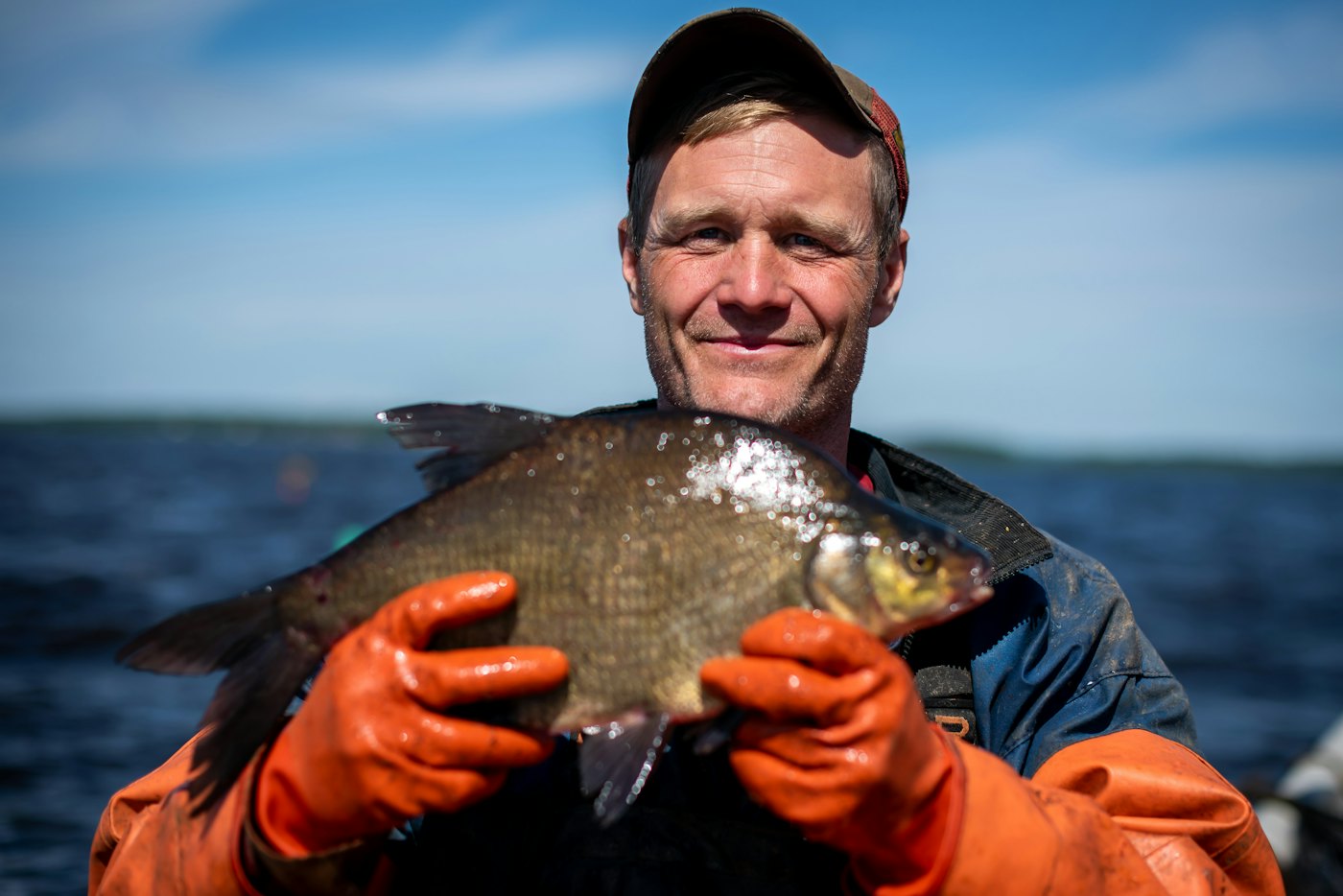
Bream
Tasty, healthy – and good for the environment
The carp fish bream and ide used to be common food fish. Then both producers and consumers forgot their benefits. Now interest is growing again, largely thanks to Baltic Fish – a collaboration between Nordic environmental organisations, fishermen, fish producers, authorities and researchers aiming to increase demand for bream and ide and reduce eutrophication in the Baltic Sea.
Because of their low fat content, these fish do not accumulate environmental toxins the way fattier fish can – something confirmed by samples reviewed by the Swedish Food Agency.
Vendace fishing
A modern factory. The same craft.
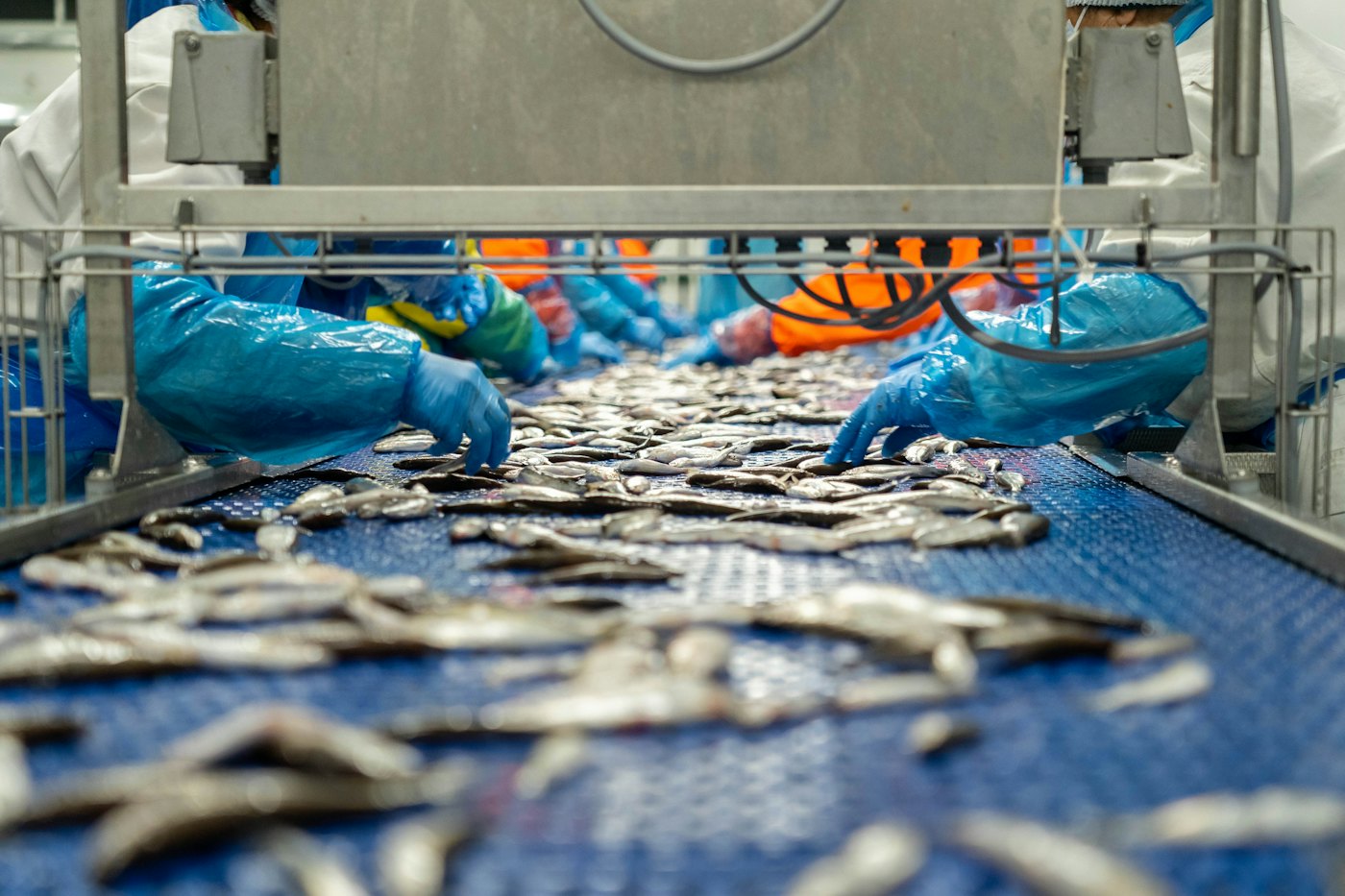
In our factory in Kalix some parts of production have been streamlined, but pressing the roe from female vendace is still done by hand. That is crucial for the quality of vendace roe, a true delicacy.
As dusk falls the catch is landed and the intensive work begins. The vendace go straight to the factory, are unloaded into the intake cold room and continue to a sorting belt where staff separate the females from the catch. Finally the roe-bearing fish reach the cleaning tables and are pressed by hand.
Our own farm
Rainbow trout full of goodness
Rainbow trout is rich in important omega-3 fatty acids and vitamin D. Omega-3 is good for the heart, brain and eyesight, and vitamin D is essential for bones and teeth, among other things.
To get the best possible rainbow trout we use specially adapted feed that gives the fish what it needs while protecting the environment. We constantly work to use the best feed on the market and stay in close dialogue with feed developers in the Nordic countries.
If you choose a Braxa fish patty the next time you go shopping, you are doing a good deed for both yourself and our sea.